
Midlands Chapter Meeting: Searching for the Pyramid Magnolia: Conservation through Collaboration
Category
Location
1605 Park Circle
Columbia, SC 29201
United States of America
Virtual Meeting URL: https://zoom.us/j/99478359723?pwd=upe9w5NcuwyONyjMnianXPF5LL58lT.1
Summary
Description
Our chapter meets at 7 p.m. on the 2nd Thursday of odd months
Meetings range from lectures from local experts to casual meet-ups in a location featuring native plants to hand-on activities. The public is always welcome!
MARCH 2026 MEETING IN PERSON AND ONLINE
Searching for the Pyramid Magnolia: Conservation through Collaboration
Presenters:
Jean Linsky, MSc.
Program Manager, Global Conservation Consortium for Magnolia
Atlanta Botanical Garden
Martin A. Hamilton, PhD
Executive Director v
South Carolina Botanical Garden
Michele Dani Sanchez, PhD
College of Agriculture, Forestry and Life Science
Clemson University
Cooperative Extension Service
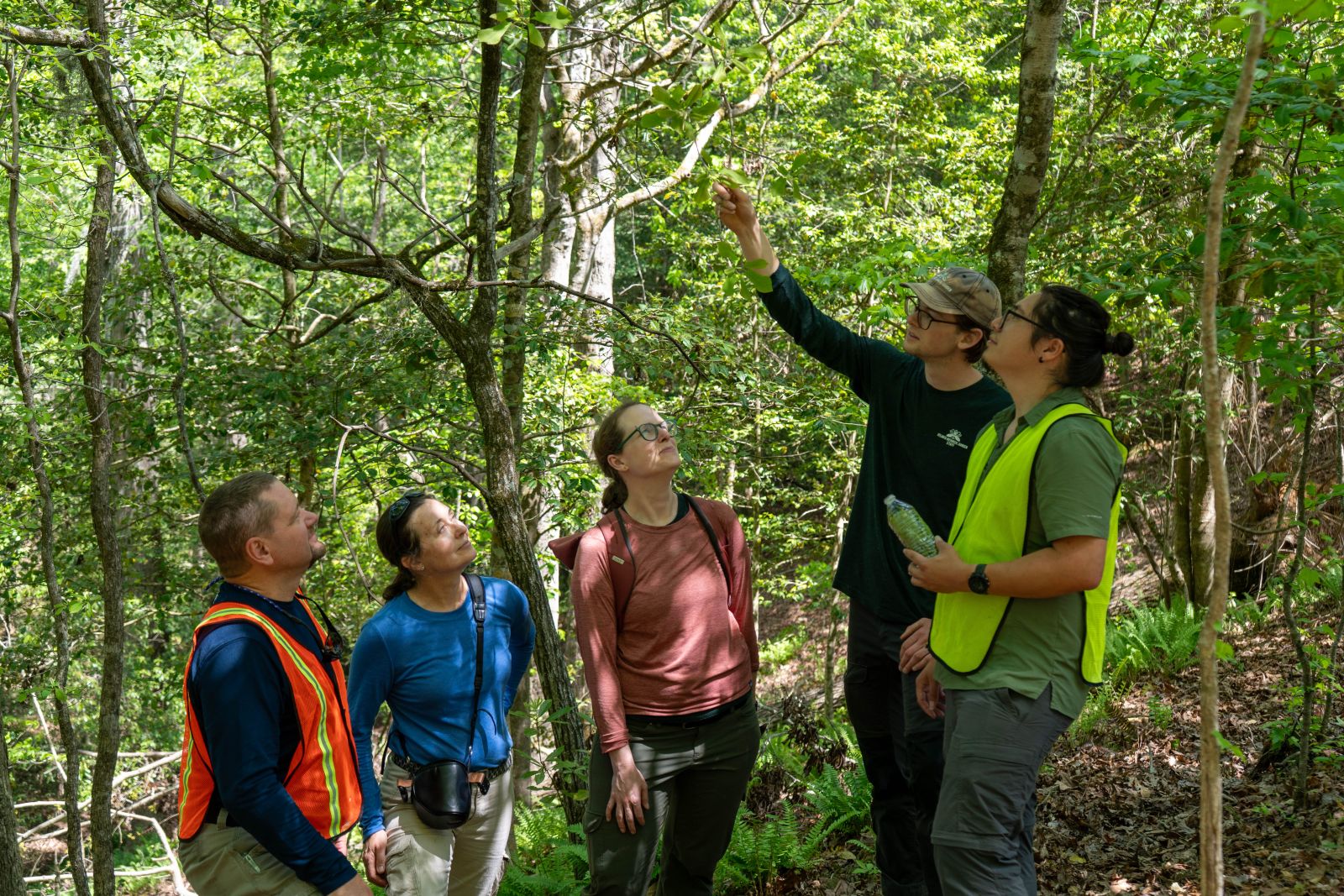
While most early spring-flowering magnolias in gardens are non-native imports, native species like the stately southern magnolia (Magnolia grandiflora) light up landscapes with their stunning blooms from mid-spring through summer. Among these native treasures is the pyramid magnolia (Magnolia pyramidata), a rare and often-overlooked gem found in fragmented habitats from Texas to South Carolina. With threats like extreme weather and habitat loss endangering its survival, conservationists have raised the alarm—and the Atlanta Botanical Garden is answering the call. Teaming up with the South Carolina Botanical Garden (SCBG), local landowners, and with support from the American Public Gardens Association, the Garden has launched a collaborative effort to conserve the elusive pyramid magnolia. Particularly rare in South Carolina, this species is found in just a few fragmented populations in the Coastal Plain, many of which haven’t been monitored in recent years. Results of recent field surveys and seed collection, next steps for conservation of this species as well as how this conservation work ties into regional and global conservation initiatives will be shared.
Memberships support our work in the Midlands and around South Carolina.
Please consider joining SCNPS if you’re not yet a member. It's a good idea to check that your membership is up to date: log in to check at scnps.org.